Easy Vegan Bibimbap Recipe – Flavorful Korean Bowl
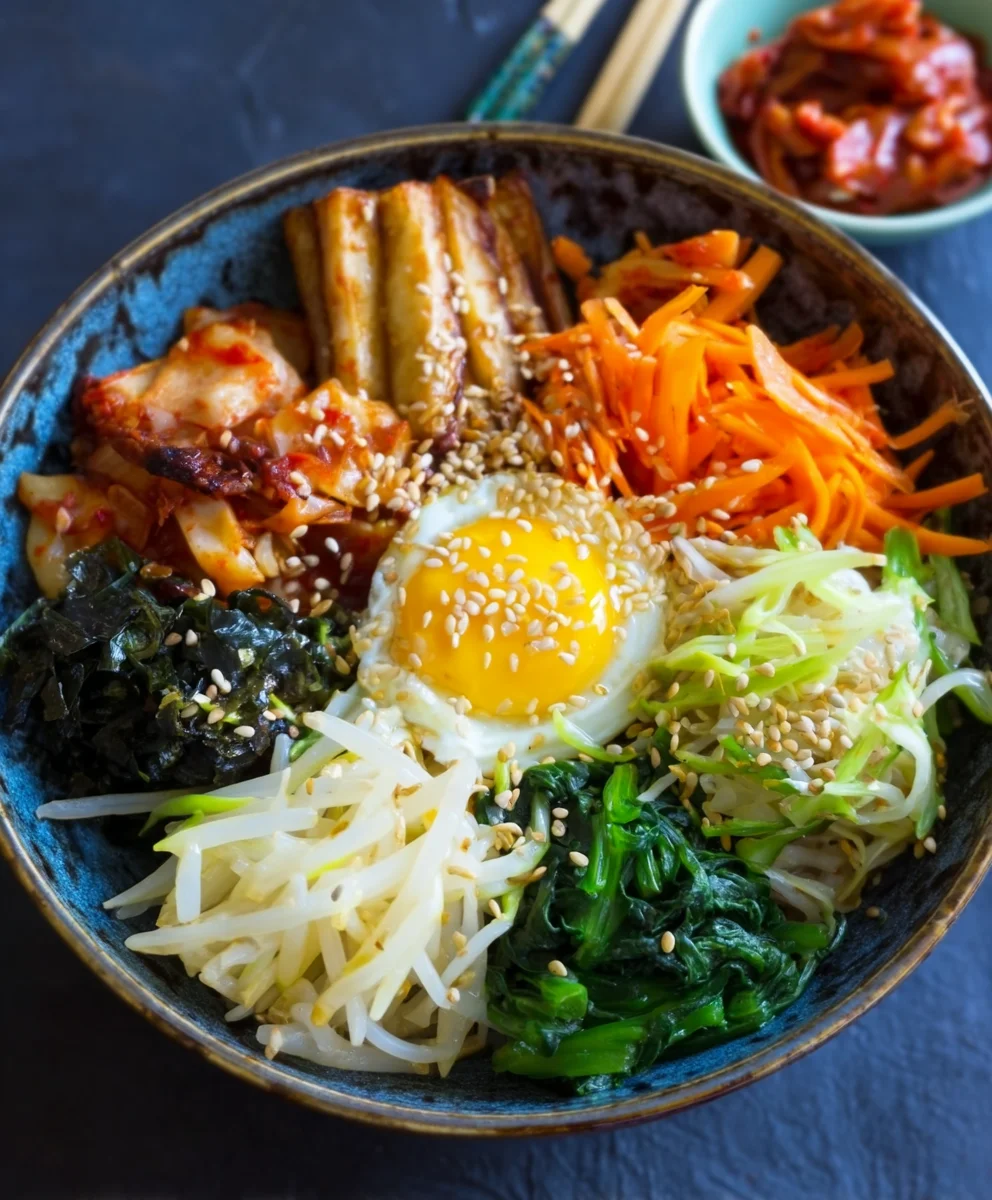
Vegan Bibimbap is more than just a meal; it’s an experience. This vibrant Korean dish, traditionally a symphony of rice, seasoned vegetables, gochujang chili paste, and often meat, transforms beautifully into a plant-powered masterpiece. The magic of Vegan Bibimbap lies in its incredible versatility and the sheer joy of customizing your bowl. We love it because it’s a nutritional powerhouse, packed with colorful, fresh ingredients that nourish the body and delight the senses. Each spoonful offers a delightful textural contrast, from the soft rice and tender vegetables to the satisfying crunch of garnishes. What truly sets our Vegan Bibimbap apart is the careful balance of flavors – savory, spicy, slightly sweet, and umami – all coming together in perfect harmony. Get ready to create a showstopper that’s as beautiful as it is delicious!
Why You’ll Adore This Vegan Bibimbap
This isn’t your average weeknight stir-fry. The allure of Vegan Bibimbap is in its interactive nature; you build your own perfect bite. It’s a fantastic way to incorporate a wide array of vegetables into your diet, each prepared to showcase its unique flavor and texture. Think crisp mung bean sprouts, earthy sautéed mushrooms, vibrant spinach, and sweet carrots. The customizable nature makes it ideal for picky eaters, or for when you simply want to raid your refrigerator’s produce drawer. Plus, the satisfying heat of the gochujang sauce, balanced with a touch of sweetness, is utterly addictive. It’s a dish that feels both comforting and invigorating, making it a perennial favorite.
The Art of the Bowl
Crafting the perfect bowl of Vegan Bibimbap is an art form. It’s about layering flavors and textures to create a culinary masterpiece. Each component plays a crucial role, from the perfectly cooked rice providing a comforting base to the array of seasoned vegetables offering a medley of tastes and colors. The signature gochujang sauce ties everything together, providing a delightful kick that awakens the palate. This dish isn’t just about eating; it’s about the experience of assembling your meal, the anticnon-alcoholic ipation of that first glorious mixed bite. It’s a celebration of fresh ingredients and vibrant Korean cuisine, made accessible and delicious for everyone.
Ingredients:
- 1 cucumber
- 200 g fresh spinach
- 100 g fresh bean sprouts
- 1 large carrot
- 200 g firm tofu
- 100 g mushrooms of your choice (enoki mushrooms are excellent, but shiitake or king oyster mushrooms also work well)
- Salt, to taste
- Sesame oil, for drizzling and cooking
- 1 tbsp minced garlic (divided)
- 2 tbsp gochujang (Korean chili paste)
- 1 tbsp rice vinegar
- 1 tbsp agave nectar or maple syrup
- 1 tbsp soy sauce
- 2 cloves garlic, minced
- 2 tsp sesame oil
Preparing the Vegetables
Cucumber Preparation
Begin extract by washing your cucumber thoroughly. Trim off both ends. For this Vegan Bibimbap, we want thin, matchstick-like pieces. You can either use a mandoline slicer on its thinnest setting for speed and uniformity, or simply slice the cucumber lengthwise into thin planks, stack a few planks, and then slice them into very fine strips. If the cucumber has large seeds, you can scoop them out before slicing to prevent a watery filling, although for a quick dish like this, it’s often not strictly necessary. Set the prepared cucumber aside.
Carrot Preparation
Next, prepare the carrot. Peel the carrot and then julienne it, meaning you’ll cut it into thin, matchstick-sized strips, similar to how you prepared the cucumber. A sharp knife and a steady hand are key here. You can also use a box grater with a julienne setting. The goal is to have uniform pieces that will cook quickly and evenly.
Spinach Preparation
Rinse the fresh spinach very well under cold running water to remove any dirt or grit. In a medium bowl, combine the spinach with about 1/2 teaspoon of salt and 1 teaspoon of minced garlic. Add a splash of water (about 1 tablespoon). Cover the bowl and microwave on high for 1 to 2 minutes, or until the spinach is wilted. Alternatively, you can quickly blanch the spinach in boiling water for about 30 seconds, then immediately drain and shock it in ice water to preserve its vibrant green color. Squeeze out as much excess water as possible from the wilted spinach. This step is crucial to avoid a watery bibimbap. Toss the spinach with a tiny drizzle of sesame oil and a pinch of salt to taste.
Bean Sprout Preparation
Rinse the bean sprouts under cold water. In a small saucepan, bring about an inch of water to a boil. Add the bean sprouts and cook for just 1 to 2 minutes, until they are tender-crisp. You want them to retain a slight bite. Drain the bean sprouts thoroughly. In a small bowl, toss them with a pinch of salt and about 1/2 teaspoon of minced garlic. A very small splash of sesame oil can also be added for extra flavor.
Mushroom Preparation
If you’re using enoki mushrooms, trim off the root end and gently separate the clusters. If using shiitake or king oyster mushrooms, you’ll want to slice them thinly. Heat about 1 teaspoon of sesame oil in a skillet over medium-high heat. Add the mushrooms and cook until they are tender and lightly browned, about 3-5 minutes. Season with a pinch of salt.
Tofu and Sauce Preparation
Tofu Preparation
Drain the firm tofu very well. You can press it by wrapping it in paper towels and placing something heavy on top for about 10-15 minutes, or use a tofu press. Cut the pressed tofu into bite-sized cubes or thin rectangular slices. Heat 1 tablespoon of sesame oil in a non-stick skillet over medium-high heat. Add the tofu and cook until golden brown and slightly crispy on all sides, about 5-7 minutes. Season with a pinch of salt and the remaining 1/2 teaspoon of minced garlic during the last minute of cooking.
Gochujang Sauce Preparation
In a small bowl, whisk together the gochujang, rice vinegar, agave nectar (or maple syrup), soy sauce, and 1 tablespoon of minced garlic. This creates the signature spicy and slightly sweet sauce that ties all the components of your Vegan Bibimbap together. Taste and adjust seasonings if needed; you might want a little more sweetness or a touch more vinegar depending on your preference.
Assembling Your Vegan Bibimbap
Cooking the Rice
Start by cooking your rice according to package directions. For a traditional bibimbap, short-grain or medium-grain white rice is often used, but brown rice or even quinoa can be healthy alternatives. Ensure your rice is cooked and still warm when you’re ready to assemble.
Layering the Bibimbap
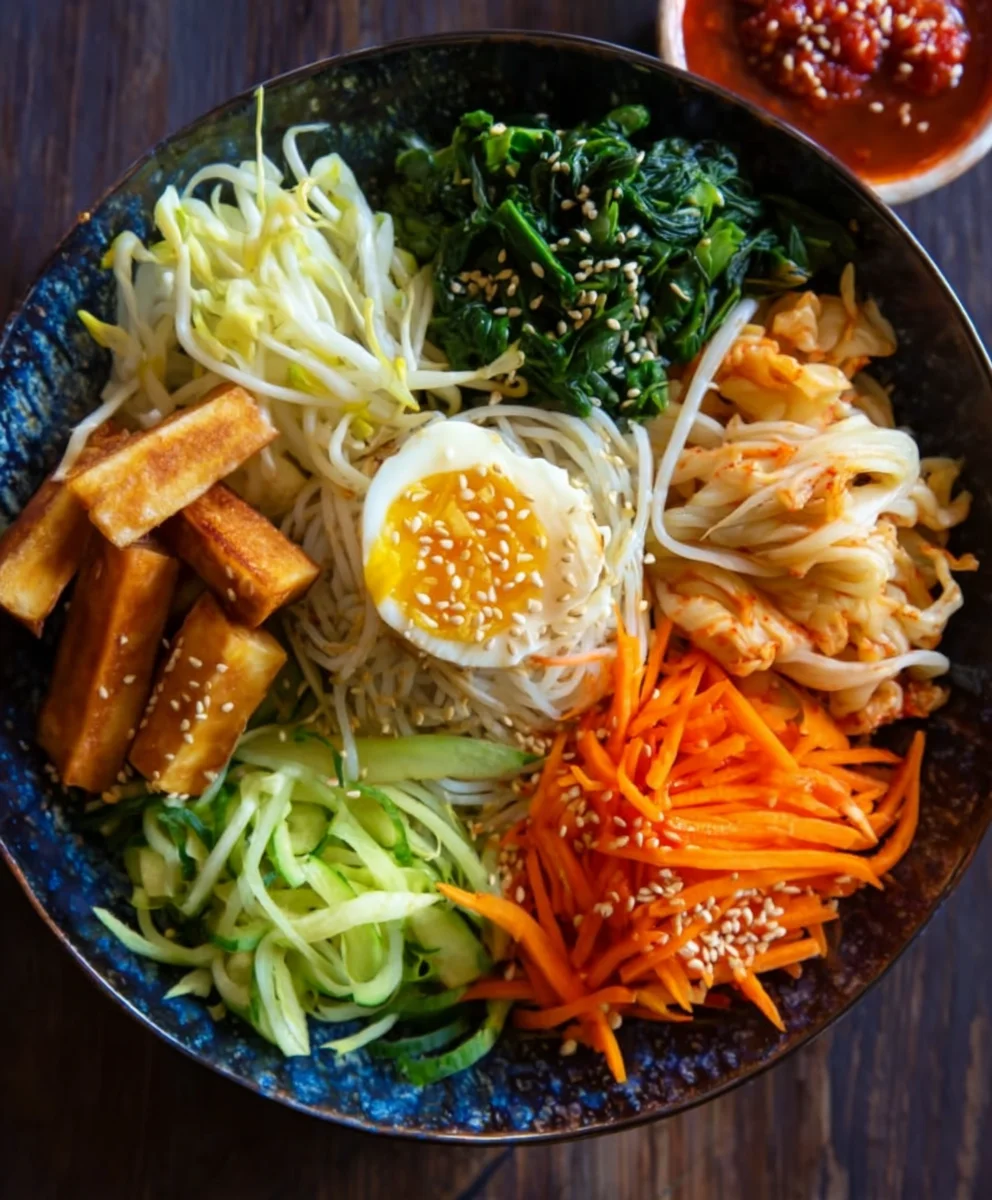
This is where the magic happens! Take a large, shallow bowl. Spoon a generous portion of the warm rice into the center of the bowl, forming a base. This is where all the colorful toppings will be artfully arranged.gin extractw, begin to arrange your prepared ingredients around the perimeter of the rice. Place the seasoned spinach, crisp bean sprouts, julienned carrots, sautéed mushrooms, golden brown tofu, and fresh cucumber strips in distinct sections, creating a visually appealing mosaic. Aim for vibrant colors and textures to be showcased.
Serving and Enjoying
Once all your components are beautifully arranged over the rice, it’s time to add the finishing touches. Drizzle a little bit of sesame oil over the top of everything for that unmistakable aroma and nutty flavor. Then, spoon a generous dollop of the prepared gochujang sauce either in the center or on the side, allowing each person to mix it in to their desired spice level. To eat, use your chopsticks or spoon to thoroughly mix all the ingredients with the rice and sauce. The beauty of bibimbap lies in the delicious combination of flavors and textures you create with every bite. Enjoy this wholesome and satisfying Vegan Bibimbap!
Conclusion:
And there you have it – your very own delicious and satisfying Vegan Bibimbap! This recipe is a testament to how vibrant and flavorful plant-based meals can be. We’ve walked through preparing each component, from the perfectly cooked rice and seasoned tofu to the array of colorful and nutritious vegetables. The beauty of Vegan Bibimbap lies not just in its taste but also in its versatility. Serve it hot, garnished with a dollop of spicy gochujang sauce and a sprinkle of sesame seeds, for an authentic experience. Don’t be afraid to experiment with your favorite seasonal vegetables or different protein sources like tempeh or marinated mushrooms. Remember, the goal is to create a balanced and visually appealing dish that nourishes your body and delights your senses. We encourage you to get creative and make this Vegan Bibimbap your own!
Frequently Asked Questions:
Can I make Vegan Bibimbap ahead of time?
You can prepare most of the components of Vegan Bibimbap ahead of time. The rice can be cooked and cooled, and the vegetables can be blanched or sautéed and stored separately in airtight containers in the refrigerator. The tofu can also be cooked and seasoned in advance. When you’re ready to serve, simply reheat the components gently and assemble the bowls. The gochujang sauce can also be made a day or two in advance.
What are some other vegetable options for Vegan Bibimbap?
The beauty of Vegan Bibimbap is its adaptability! Feel free to substitute or add vegetables like thinly sliced zucchini, shiitake mushrooms, bean sprouts, spinach, knon-alcoholic ale, sweet potato, or even corn. Aim for a variety of colors and textures to make your bibimbap visually appealing and nutritionally complete.
Easy Vegan Bibimbap Recipe – Flavorful Korean Bowl
A vibrant and flavorful Korean rice bowl packed with colorful vegetables, crispy tofu, and a spicy-sweet gochujang sauce, all made vegan.
Ingredients
-
1 cucumber, thinly sliced
-
200 g fresh spinach
-
100 g fresh bean sprouts
-
1 large carrot, julienned
-
200 g firm tofu, pressed and cubed
-
100 g mushrooms of your choice, sliced
-
Salt, to taste
-
Sesame oil, for drizzling and cooking
-
1 tbsp minced garlic (divided)
-
2 tbsp gochujang (Korean chili paste)
-
1 tbsp rice vinegar
-
1 tbsp agave nectar or maple syrup
-
1 tbsp soy sauce
-
2 cloves garlic, minced
-
2 tsp sesame oil
Instructions
-
Step 1
Prepare the vegetables: julienne the cucumber and carrot. Rinse spinach and bean sprouts. Slice mushrooms. Press and cube the firm tofu. -
Step 2
Cook the spinach by microwaving with salt, garlic, and a splash of water until wilted. Squeeze out excess water and toss with sesame oil and salt. -
Step 3
Blanch bean sprouts for 1-2 minutes until tender-crisp. Drain and toss with salt, garlic, and a tiny splash of sesame oil. -
Step 4
Sauté mushrooms in sesame oil with salt until tender and browned. Cook tofu in sesame oil until golden brown and slightly crispy, seasoning with salt and garlic. -
Step 5
Prepare the gochujang sauce by whisking together gochujang, rice vinegar, agave nectar, soy sauce, and minced garlic in a small bowl. -
Step 6
Cook rice according to package directions. Assemble by placing warm rice in a large shallow bowl, then artfully arranging the prepared vegetables, tofu, and mushrooms around the perimeter. -
Step 7
Drizzle with sesame oil and add a generous dollop of gochujang sauce. Mix all ingredients together before serving.
Important Information
Nutrition Facts (Per Serving)
It is important to consider this information as approximate and not to use it as definitive health advice.
Allergy Information
Please check ingredients for potential allergens and consult a health professional if in doubt.