Easy Coconut Chicken Recipe-Flavorful & Quick
Coconut Chicken is a dish that always brings smiles to my table, and I’m sure it will do the same for yours. There’s something incredibly comforting and exotic about the way tender chicken pieces bathe in a rich, creamy coconut milk sauce. People absolutely adore Coconut Chicken because it strikes a perfect balance: it’s undeniably indulgent yet surprisingly light, offering a delightful escape with every bite. What makes this particular version of Coconut Chicken so special is the harmonious blend of fragrant spices, the subtle sweetness of coconut, and the savory depth of perfectly cooked chicken. It’s a flavor explosion that transports you straight to a tropical paradise without ever leaving your kitchen. Get ready to experience a truly memorable meal!
Coconut Chicken
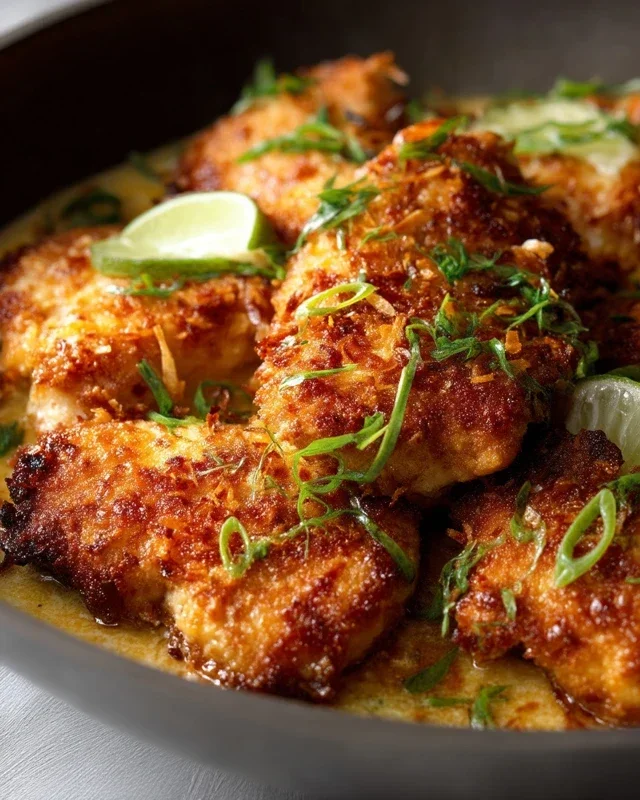
This Coconut Chicken recipe is a true taste of the tropics, bringin extractg together tender chicken with the creamy, sweet, and slightly nutty flavor of coconut milk. It’s a dish that’s both comforting and exotic, perfect for a weeknight meal that feels a little special, or for impressing guests with its vibrant flavors and aromas. The beauty of this recipe lies in its simplicity; you don’t need a long list of complicated ingredients to achieve something truly delicious.
The inspiration for this dish comes from the many Southeast Asian cuisines that expertly balance sweet, savory, and aromatic elements. Coconut milk is a versatile ingredient that forms a rich and luscious sauce, while the chicken absorbs all those wonderful flavors. We’ll be building layers of taste with aromatics like garlic and gin extractger, a touch of heat from chilies, and a brightness from lime.
One of the best things about this Coconut Chicken is how adaptable it is. Feel free to adjust the spice level to your preference by adding more or fewer chilies. If you don’t have fresh gin extractger, a teaspoon of ground gin extractger will work in a pinch, though fresh will always provide a more vibrant punch. The sauce is perfect for soaking up with some fluffy basmati rice or even some crusty bread.
This recipe is designed to be straightforward and rewarding. You’ll find yourself drawn to the fragrant steam rising from the pot as it cooks, promising a truly satisfying meal. Let’s get started on creating this delightful coconut chicken.
Ingredients:
Preparing the Chicken and Aromatics
The first step in creating our flavorful Coconut Chicken is to prepare all your ingredients. This is often referred to as ‘mise en place,’ and it makes the actual cooking process so much smoother and less stressful. I like to have everything chopped, measured, and ready to go before I even turn on the stove. This prevents any last-minute scrambling and ensures that nothing burns while you’re busy chopping an onion.
Start by cutting your chicken into uniform, bite-sized pieces. This ensures that the chicken cooks evenly. If you’re using chicken thighs, they tend to stay more moist and tender than breasts, but breasts work beautifully too. Pat the chicken dry with paper towels – this helps it to get a nice sear when it hits the hot pan, adding another layer of flavor. Season the chicken pieces generously with salt and freshly ground black pepper.
Next, let’s focus on our aromatics. Finely chop your onion. Mince your garlic cloves; if you don’t have a garlic press, a sharp knife and a cutting board will do the trick. Grate your fresh gin extractger. I find grating gin extractger on a fine grater is the easiest way to get it nice and small, almost like a paste. If you’re using chilies and want to control the heat, slice them thinly and remove the seeds. If you enjoy a bit of a kick, leave some or all of the seeds in.
Sautéing and Building the Flavor Base
Now that all our prep work is done, it’s time to get cooking! Heat the coconut oil or vegetable oil in a large skillet or Dutch oven over medium-high heat. Once the oil is shimmering, add the seasoned chicken pieces. Don’t overcrowd the pan; cook the chicken in batches if necessary. You want to get a nice golden-brown sear on all sides. This searing process is crucial for developing deep flavor, as it creates delicious browned bits (fond) on the bottom of the pan that will be deglazed later. Once seared, remove the chicken from the skillet and set it aside on a plate.
Reduce the heat to medium and add the chopped onion to the same skillet. Sauté the onion for about 5-7 minutes, or until it has softened and become translucent. This process releases the natural sweetness of the onion. Now, add the minced garlic, grated gin extractger, and sliced chilies (if using) to the skillet. Cook for another minute until fragrant, being careful not to burn the garlic. The aroma that fills your kitchen at this stage is incredible!
Next, sprinkle in the curry powder, turmeric, and cayenne pepper (if using). Stir well and cook for about 30 seconds, allowing the spices to toast slightly. This blooming of the spices releases their full flavor and aroma, creating a more complex and delicious base for our sauce.
Simmering the Coconut Chicken
Pour in the full-fat coconut milk and chicken broth (or water). Scrape the bottom of the skillet with a wooden spoon to loosen any browned bits from the chicken and aromatics – this is where a lot of the flavor is hiding! Add the soy sauce (or tamari for a gluten-free option) and the brown sugar or honey. Stir everything together until the sugar is dissolved.
Bring the mixture to a gentle simmer. Once simmering, return the seared chicken pieces to the skillet. Make sure the chicken is mostly submerged in the sauce. Reduce the heat to low, cover the skillet, and let it simmer for about 15-20 minutes, or until the chicken is cooked through and tender. The sauce will thicken slightly as it simmers, coating the chicken beautifully. Stir occasionally to prevent sticking.
The simmering time is where all the magic happens. The chicken absorbs all the wonderful coconut and spice flavors, becoming incredibly succulent. If the sauce seems too thick for your liking, you can add a splash more chicken broth or water. If it’s too thin, remove the lid for the last 5 minutes of cooking to allow it to reduce.
Finishing Touches and Serving
Once the chicken is cooked through and the sauce has reached your desired consistency, it’s time for the final touches. Stir in the fresh lime juice. The acidity of the lime cuts through the richness of the coconut milk and adds a lovely brightness to the dish. Taste the sauce and adjust seasoning with salt and pepper as needed. Sometimes, the soy sauce provides enough salt, but it’s always good to check.
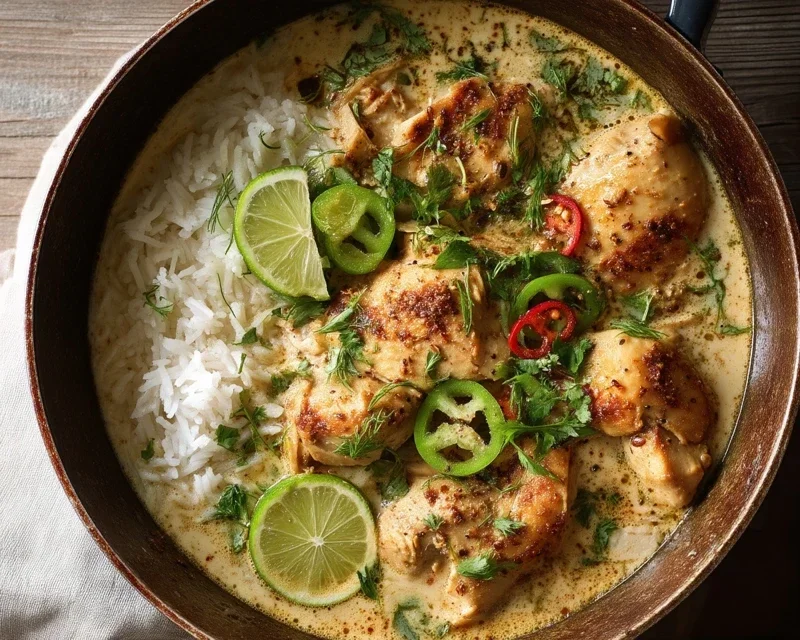
To serve, ladle the delicious Coconut Chicken and its creamy sauce over fluffy cooked rice. Garnish generously with fresh chopped cilantro for a burst of freshness and color. This dish is a complete meal on its own, but it also pairs wonderfully with a side of steamed green beans or a simple cucumber salad. Enjoy the explosion of tropical flavors!
Conclusion:
So there you have it – a truly delightful and incredibly versatile Coconut Chicken recipe that’s perfect for any weeknight or a special occasion. This dish shines because of its creamy, rich coconut sauce that perfectly complements the tender chicken, creating a symphony of tropical flavors. It’s simple enough for begin extractner cooks but impressive enough to serve guests. I truly encourage you to give this delicious recipe a try; you won’t be disappointed by the amazing taste and aroma!
Serving suggestions abound! This Coconut Chicken is fantastic served over fluffy jasmine rice, which soaks up all that wonderful sauce. For a lighter option, consider serving it with cauliflower rice or quinoa. A side of steamed green beans or a crisp cucumber salad adds a refreshing contrast. Don’t be afraid to get creative with garnishes too – fresh cilantro, chopped peanuts, or a squeeze of lime can elevate the dish even further.
If you’re looking for variations, consider adding some stir-fried vegetables like bell peppers, broccoli, or snap peas directly into the sauce towards the end of cooking. For a spicy kick, a pinch of red pepper flakes or a diced chili pepper can be added with the aromatics. You could also swap the chicken thighs for chicken breast, though you’ll want to be careful not to overcook it.
Frequently Asked Questions about Coconut Chicken:
Can I make this recipe ahead of time?
Yes, you can! The Coconut Chicken can be made a day in advance and reheated gently on the stovetop or in the microwave. The flavors often meld and deepen overnight, making it even more delicious.
What kind of coconut milk is best?
For the richest and creamiest sauce, full-fat canned coconut milk is highly recommended. Light coconut milk can be used, but the sauce will be thinner and less rich.
Can I use a different protein?
Absolutely! This creamy sauce is wonderful with other proteins. Shrimp cooks very quickly and would be a fantastic alternative. Firm tofu or even firm white fish would also work well.
Coconut Chicken
A flavorful and creamy coconut chicken dish, perfect for a weeknight meal.
Ingredients
-
1 lb boneless, skinless chicken breasts, cut into bite-sized pieces
-
1 (13.5 ounce) can full-fat coconut milk
-
1 tablespoon olive oil
-
1 onion, chopped
-
2 cloves garlic, minced
-
1 teaspoon grated fresh ginger
-
1 teaspoon curry powder
-
1/2 teaspoon turmeric
-
Salt to taste
-
Black pepper to taste
-
Fresh cilantro, chopped, for garnish
Instructions
-
Step 1
Heat olive oil in a large skillet or pot over medium heat. Add chopped onion and cook until softened, about 5 minutes. -
Step 2
Add minced garlic and grated ginger to the skillet and cook for 1 minute until fragrant. -
Step 3
Add chicken pieces to the skillet and cook until browned on all sides. -
Step 4
Stir in curry powder and turmeric, and cook for another minute, stirring to coat the chicken. -
Step 5
Pour in the coconut milk, season with salt and pepper to taste, and bring to a simmer. Reduce heat and let it simmer gently for 10-15 minutes, or until the chicken is cooked through and the sauce has thickened slightly. -
Step 6
Garnish with fresh cilantro before serving.
Important Information
Nutrition Facts (Per Serving)
It is important to consider this information as approximate and not to use it as definitive health advice.
Allergy Information
Please check ingredients for potential allergens and consult a health professional if in doubt.