Heinz Copycat Ketchup – Easy Homemade Recipe
Canned Ketchup Recipe (Heinz Copycat) – have you ever found yourself staring into the pantry, craving that iconic, sweet and tangy goodness, only to realize the bottle is perilously low? I know the feeling! That classic, familiar flavor is more than just a condiment; it’s a taste of childhood, a staple for burgers, fries, and countless other culinary adventures. We all have our preferred brands, but there’s a special kind of satisfaction in recreating that beloved taste in your own kitchen. This canned ketchup recipe is my attempt to capture the essence of that legendary flavor, transforming simple canned tomatoes into a sauce that rivals the origin extractal. What makes it so special? It’s the perfect balance of sweet and savory, with a hint of vinegar that cuts through the richness. It’s versatile, delicious, and surprisingly easy to make. Get ready to elevate your homemade ketchup game with this incredible canned ketchup recipe (Heinz copycat)!
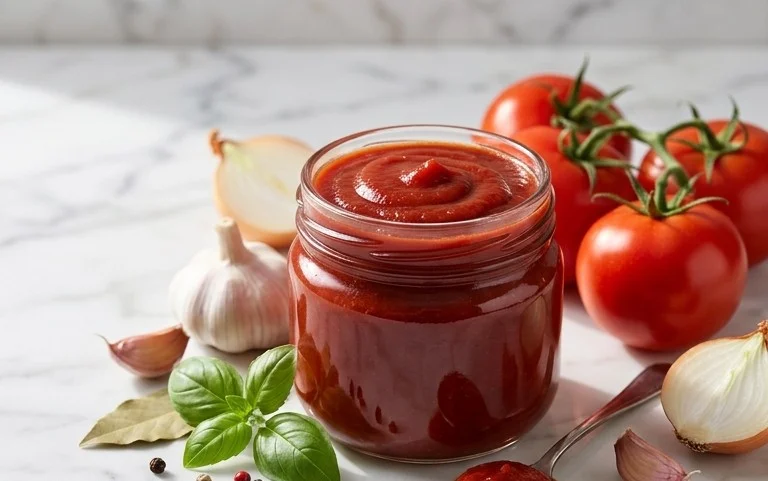
Copycat Heinz Ketchup: Your Homemade Delight
Who doesn’t love a good dollop of ketchup? That classic, tangy, slightly sweet condiment that elevates everything from fries to burgers. While the store-bought versions are convenient, there’s something incredibly satisfying about recreating that iconic flavor in your own kitchen. Today, we’re embarking on a delicious journey to craft a homemade ketchup that rivals your favorite brand, a true Heinz copycat that will have your taste buds singin extractg. Forget those complicated recipes; this one uses readily available ingredients and a straightforward process to deliver a condiment that’s both familiar and uniquely yours. Get ready to impress yourself and anyone lucky enough to share your culinary creations!
Ingredients:
*Note on tomato juice: The most authentic flavor will come from using fresh tomatoes. You’ll need approximately 22 pounds of ripe, fresh tomatoes. Wash them thoroughly, core them, and roughly chop them. Simmer them in a large pot until they break down, then strain them through a fine-mesh sieve or a food mill to remove skins and seeds, yielding about 7 quarts of juice. If you’re short on time or tomatoes, you can use high-quality canned tomato juice, but be aware that the flavor profile might be slightly different.
Cooking Instructions:
This recipe is designed to yield a generous batch of ketchup, perfect for stocking your pantry or sharing with friends and family. The process involves simmering and thickening, much like the commercial production, but with the wholesome goodness of home cooking.
Phase 1: Building the Flavor Base
1. Begin extract by combining the tomato juice, white distilled vinegar, sugar, and salt in a very large, heavy-bottomed pot. A pot that can hold at least 10 quarts is essential, as the mixture will reduce significantly. Using a heavy-bottomed pot helps to distribute heat evenly and prevents scorching, which is crucial when simmering for an extended period. Stir these ingredients together until the sugar and salt are completely dissolved. This initial step is where the foundational tangin extractess and sweetness of our ketchup are established. Ensure everything is well incorporated before moving on to the next stage.
2. Now it’s time to introduce the aromatic spices that will give our ketchup its signature depth. Add the onion powder, cinnamon, ground cloves, all-spice, and cayenne pepper to the pot. Stir these in thoroughly, ensuring they are evenly dispersed throughout the liquid. The combination of these spices is key to replicating that classic ketchup taste. The cinnamon and cloves provide warmth and a subtle sweetness, while the all-spice adds a complex, slightly peppery note. The cayenne pepper, even in this small amount, offers a gentle warmth that balances the sweetness and prevents the ketchup from tasting one-dimensional. Don’t be tempted to skip any of these; they are all vital to achieving that sought-after flavor profile.
Phase 2: Simmering and Thickening
3. Bring the mixture to a boil over medium-high heat, then immediately reduce the heat to low. You want the ketchup to simmer gently, with just a few bubbles breaking the surface. This slow simmer is crucial for developing the flavors and allowing the liquid to gradually reduce and thicken. Cover the pot partially, leaving a slight gap for steam to escape. Stir the mixture frequently, especially as it begin extracts to thicken, to prevent it from sticking to the bottom of the pot. This simmering process can take anywhere from 2 to 3 hours, depending on the moisture content of your tomato juice and the heat of your simmer. The goal is to reduce the volume by about half and achieve a consistency that coats the back of a spoon. Patience here is key; rushing the simmer will result in a thinner, less flavorful ketchup.
4. Once the ketchup has reduced and thickened to your desired consistency, it’s time to incorporate the tomato paste. Add the 46 oz can of tomato paste to the simmering mixture. Stir it in vigorously until it is fully combined. The tomato paste will deepen the color of the ketchup and contribute a more concentrated tomato flavor, adding another layer of richness. Continue to simmer, uncovered, for another 15-20 minutes, stirring constantly to ensure the tomato paste is completely integrated and the ketchup continues to thicken. This final simmer helps to meld the flavors of the tomato paste with the rest of the ingredients.
5. The final step in achieving that perfectly smooth, thick texture is to add the Thermflo. This is your thickening agent. In a small bowl, whisk together the heaping 1/3 cup of Thermflo with about 1/2 cup of the hot ketchup mixture until you have a smooth slurry, free of lumps. This step is important to prevent clumps of Thermflo from forming in your ketchup. Gradually pour this slurry back into the main pot of ketchup while stirring constantly. Continue to stir and simmer for another 5-10 minutes, or until the ketchup has thickened to your liking. The Thermflo will work its magic, giving the ketchup that signature velvety smooth texture you expect. Be careful not to overcook at this stage, as it can cause the ketchup to become too thick.
Once thickened, remove the pot from the heat. Allow the ketchup to cool slightly before carefully transferring it to sterilized jars or bottles. It will continue to thicken as it cools. Store your homemade copycat Heinz ketchup in the refrigerator, where it will stay fresh for several weeks. Enjoy the fruits of your labor on burgers, hot dogs, fries, or any dish that calls for that classic ketchup flavor!

Conclusion:
And there you have it! Crafting your own delicious canned ketchup, just like the classic Heinz taste, is surprisingly achievable and incredibly rewarding. This recipe is fantastic because it uses simple, pantry-staple ingredients to create that familiar sweet, tangy, and slightly vinegary flavor profile we all love. No more wondering about obscure additives or preservatives; you’re in complete control of what goes into your ketchup. It’s perfect for stocking up your pantry, creating homemade gifts, or simply enjoying the satisfaction of making something from scratch.
This canned ketchup recipe is wonderfully versatile. It’s a must-have for fries, burgers, hot dogs, and grilled cheese. Consider it a base for marinades and glazes too! For a bit of variation, you can add a pinch of chili powder for a spicy kick, a dash of smoked paprika for a deeper flavor, or even a touch of honey for extra sweetness. Don’t be afraid to experiment and find your perfect canned ketchup blend. I highly encourage you to give this recipe a try – you’ll be amazed at how easy it is to achieve that iconic taste right in your own kitchen!
Frequently Asked Questions:
Can I use fresh tomatoes instead of canned?
While this recipe is designed for the convenience of canned tomatoes, you absolutely can use fresh, ripe tomatoes. You’ll need to blanch and peel them first, and you might need to adjust the simmering time to achieve the desired consistency as fresh tomatoes have more water content. The flavor will be slightly different, but still delicious!
How long will this canned ketchup last?
When properly canned and stored in a cool, dark place, your homemade ketchup should last for at least a year. Once opened, refrigerate it and consume it within a few weeks for the best quality and flavor.
Can I adjust the sweetness or tangin extractess?
Absolutely! This recipe is a great starting point. If you prefer a sweeter ketchup, simply add a little more sugar, perhaps a tablespoon at a time, tasting as you go. For more tangin extractess, a touch more vinegar can be added. Always taste and adjust to your personal preference before canning.
Canned Ketchup Recipe (Heinz Copycat)
A homemade ketchup recipe designed to mimic the classic taste of Heinz, perfect for canning.
Ingredients
-
7 quarts tomato juice* ((22 lbs fresh tomatoes) )
-
4 cups white distilled vinegar
-
3 cups sugar
-
5 Tbsp salt
-
1 Tbsp onion powder
-
1/2 tsp cinnamon
-
1/2 tsp ground cloves
-
1/2 tsp all-spice
-
1/2 tsp cayenne pepper
-
46 oz tomato paste
-
1/3 cup Thermflo ((heaping) )
Instructions
-
Step 1
In a large, heavy-bottomed pot, combine the tomato juice, white distilled vinegar, sugar, salt, onion powder, cinnamon, ground cloves, all-spice, and cayenne pepper. Stir well to dissolve the sugar and salt. -
Step 2
Add the tomato paste to the pot and whisk until completely incorporated and smooth. -
Step 3
Bring the mixture to a boil over medium-high heat, then reduce the heat to low and simmer, uncovered, for about 1 hour, stirring occasionally. The mixture will thicken. -
Step 4
In a small bowl, whisk the Thermflo with a little bit of the hot ketchup mixture until smooth to form a slurry. This prevents clumping. -
Step 5
Gradually whisk the Thermflo slurry into the simmering ketchup. Continue to simmer for another 5-10 minutes, stirring constantly, until the ketchup has reached your desired thickness. -
Step 6
Carefully ladle the hot ketchup into sterilized canning jars, leaving about 1/4 inch headspace. Remove any air bubbles. -
Step 7
Wipe the rims of the jars clean and place the lids and rings on tightly. Process in a boiling water bath according to your canning manufacturer’s instructions for the appropriate processing time for your altitude.
Important Information
Nutrition Facts (Per Serving)
It is important to consider this information as approximate and not to use it as definitive health advice.
Allergy Information
Please check ingredients for potential allergens and consult a health professional if in doubt.