Easy Sourdough Cheese Bread Recipe
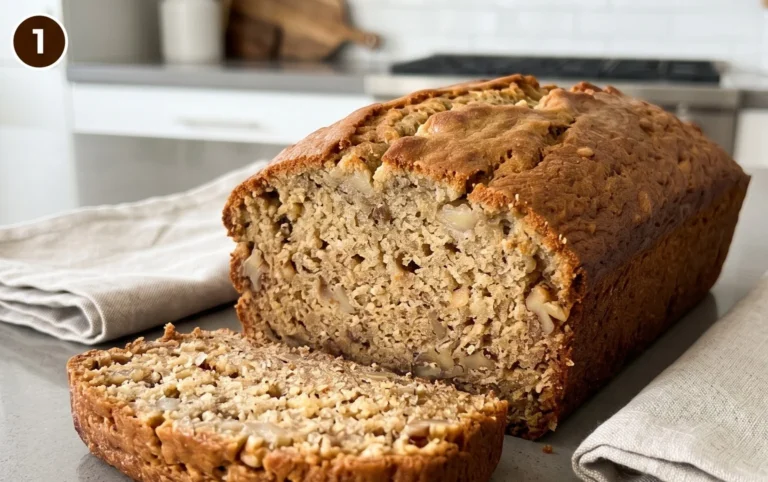
Sourdough Cheese Bread is more than just a loaf; it’s an experience for your senses. Imagin extracte the tantalizing aroma that wafts from your oven as this golden, crusty masterpiece bakes, hinting at the cheesy goodness nestled within. This isn’t your average, run-of-the-mill bread. It’s a labor of love, a testament to the magic of fermentation, and a guaranteed crowd-pleaser that transforms ordinary meals into something truly extraordinary. People adore this Sourdough Cheese Bread because it perfectly marries the tangy, complex flavor of a well-developed sourdough starter with the irresistible, melty pockets of cheese. What makes it truly special is the incredible texture – a satisfyingly chewy interior contrasted with a wonderfully crisp crust, all enhanced by the delightful surprise of gooey cheese in every bite. It’s the ultimate comfort food, perfect for toasting, dipping, or enjoying all on its own.

Ingredients:
- 1 cup milk (244 g) – room temperature is best for yeast activity
- 1/2 cup active sourdough starter (113 g) – this is your leavening agent, make sure it’s bubbly and active
- 1 large egg – at room temperature
- 1 tablespoon sugar (12 g) – feeds the sourdough and helps with browning
- 1 teaspoon salt (5 g) – crucial for flavor and dough structure
- 1 teaspoon garlic powder (3 g) – for that savory, irresistible cheesiness
- 3 cups all-purpose flour (420 g) – the backbone of your bread
- 4 tablespoons unsalted butter (56 g) – softened, adds richness and tenderness
- 2 cups shredded cheddar cheese – sharp or mild, your preference!
- Optional: 1 egg yolk whisked with a splash of water for an egg wash, and a pinch of flaky sea salt for topping
Preparing the Dough
Mixing the Wet Ingredients
The journey to delicious Sourdough Cheese Bread begin extracts with a simple yet critical step: combining the wet ingredients. In a large mixing bowl, pour in your 1 cup of milk. It’s ideal if the milk is at room temperature; cold milk can slow down the sourdough’s activity. Next, add your 1/2 cup of active, bubbly sourdough starter. This is the heart of your sourdough, so ensuring it’s lively is key for a good rise. Crack in your 1 large egg. This adds richness, moisture, and helps bind the dough together beautifully. Then, stir in the 1 tablespoon of sugar. The sugar provides a little something for the wild yeast in your starter to feast on, contributing to both fermentation and the lovely golden-brown crust of your finished bread.
Incorporating Dry Ingredients and Fat
Now, it’s time to introduce the dry components. Add the 1 teaspoon of salt to the bowl. Salt is not just for flavor; it also plays a vital role in strengthening the gluten network of the dough, giving your bread structure. Next, sprinkle in the 1 teaspoon of garlic powder. This is where that wonderful savory aroma starts to develop, hinting at the deliciousness to come. Follow this with your 3 cups of fgin extractr. Begin by mixing these wet and dry ingredients together with a spoon or a spatula until they just start to come together into a shaggy mass. Don’t worry about developing the gluten extensively at this stage. Once the ingredients are somewhat combined, add the 4 tablespoons of softened butter. Softened butter, not melted, will incorporate more easily and contribute to a tender crum extractb. It will seem a little greasy at first, but keep mixing and kneading.
Kneading and First Rise
Developing the Dough’s Structure
Turn the shaggy dough out onto a lightly floured surface. Now comes the fun part: kneading! You’ll want to knead the dough for about 8-10 minutes. Use the heels of your hands to push the dough away from you, then fold it over and repeat. This process develops the gluten, making the dough smooth, elastic, and less sticky. If the dough is too sticky, add a tiny bit more flour, just a tablespoon at a time. Conversely, if it feels too dry, a few drops of water will help. You’re looking for a dough that springs back slowly when you gently press it with your finger. This elasticity is what will allow your bread to rise and hold its shape.
The Patient Rise
Once your dough is smooth and elastic, shape it into a ball. Lightly grease a clean bowl with a little oil or cooking spray. Place the dough ball into the greased bowl, turning it to coat all sides. Cover the bowl tightly with plastic wrap or a clean kitchen towel. Find a warm, draft-free spot in your kitchen for the dough to rise. This is where the sourdough magic happens! The dough will need approximately 4-6 hours to double in size, though this can vary depending on the ambient temperature and the strength of your starter. Be patient; a slow, steady rise is crucial for flavor development. You’ll know it’s ready when it has visibly increased in volume and looks puffy.
Incorporating Cheese and Second Rise
Adding the Flavorful Cheese
Once your dough has completed its first rise, gently punch it down to release some of the accumulated gas. Turn the dough out onto your lightly floured surface once more. Now it’s time to add the star ingredient: the shredded cheddar cheese! Sprinkle about half of your 2 cups of shredded cheddar cheese over the surface of the flattened dough. Fold the dough over tgin extractcheese and begin to knead it in gently. Continue kneading, incorporating the cheese until it’s fairly evenly distributed. Don’t be alarmed if some cheese peeks out; it will melt and become wonderfully gooey during baking. Once the first half of the cheese is integrated, spread the remaining cheese over the dough and knead again until mostly incorporated. The goal is to have pockets of delicious, melty cheese throughout the bread.
Shaping and Final Proof
After the cheese is incorporated, shape the dough into your desired loaf form. You can shape it into a round boule, an oblong loaf, or even individual rolls. Place the shaped dough onto a baking sheet lined with parchment paper or into a greased loaf pan. Cover the loaf loosely with plastic wrap or a clean kitchen towel. Allow the dough to undergo its final proof, or second rise, in a warm place for another 1-2 hours, or until it looks noticeably puffy and has almost doubled in size. This second rise is important for creating a light and airy texture in your Sourdough Cheese Bread. While it’s proofing, preheat your oven to 375°F (190°C).
Baking Your Sourdough Cheese Bread
The Golden Touch
Just before baking, if you’re using the optional egg wash, gently brush the top of your proofed loaf with the whisked egg yolk and water mixture. This will give your Sourdough Cheese Bread a beautiful, glossy, golden-brown crust. For an extra touch of flavor and visual appeal, sprinkle a little flaky sea salt over the egg wash. Be careful not to over-handle the dough at this stage, as it’s quite delicate after its final rise.
Baking to Perfection
Carefully transfer your baking sheet or loaf pan into the preheated oven. Bake for approximately 30-40 minutes for a large loaf, or 20-25 minutes for rolls. The bread is done when it’s beautifully golden brown on top and the bottom sounds hollow when tapped. You can also check the internal temperature with an instant-read thermometer; it should register around 200-210°F (93-99°C). Once baked, remove the bread from the oven and immediately transfer it to a wire rack to cool completely. This prevents the bottom of the crust from becoming soggy. Allow it to cool for at least an hour before slicing to ensure the interior is set and the cheese is perfectly gooey. Enjoy your amazing homemade Sourdough Cheese Bread!

Conclusion:
And there you have it – the ultimate guide to crafting your very own delicious Sourdough Cheese Bread! We’ve walked through the essential steps, from feeding your starter to achieving that perfect cheesy crust. The beauty of this Sourdough Cheese Bread lies not only in its incredible flavor and texture but also in its adaptability. It’s a truly rewarding baking experience that results in a loaf you’ll be proud to share (or hoard for yourself!). This versatile bread is perfect as is, but don’t hesitate to experiment with different cheeses or add a pinch of herbs. Happy baking, and enjoy every bite of your homemade Sourdough Cheese Bread!
Frequently Asked Questions:
Can I use pre-shredded cheese for my Sourdough Cheese Bread?
While pre-shredded cheese is convenient, it often contains anti-caking agents that can affect the melt and texture of your Sourdough Cheese Bread. For the best results, it’s highly recommended to shred your cheese from a block just before adding it to the dough. This ensures a superior melt and a more even distribution of cheese throughout your loaf.
My Sourdough Cheese Bread didn’t rise as much as I expected. What could be wrong?
Several factors can influence the rise of your Sourdough Cheese Bread. Ensure your sourdough starter is active and bubbly before you begin extract. Temperature also plays a crucial role; a warm environment encourages fermentation. Over-kneading can also damage gluten strands, hindering rise. Finally, make sure you’re not adding too much cheese, as excessive fat can weigh down the dough and impede its ability to expand.
What are some good serving suggestions for Sourdough Cheese Bread?
The possibilities are endless! This Sourdough Cheese Bread is fantastic toasted and served with butter, or used as the base for incredible grilled cheese sandwiches. It also makes a wonderful accompaniment to soups, stews, or a fresh salad. For an extra treat, try dipping slices into a warm marinara sauce or a creamy garlic aioli.
Easy Sourdough Cheese Bread
A simple and delicious recipe for homemade sourdough cheese bread, featuring a soft crumb and a cheesy, savory flavor.
Ingredients
-
1 cup milk, room temperature (244 g)
-
1/2 cup active sourdough starter (113 g)
-
1 large egg, room temperature
-
1 tablespoon sugar (12 g)
-
1 teaspoon salt (5 g)
-
1 teaspoon garlic powder (3 g)
-
3 cups all-purpose flour (420 g)
-
4 tablespoons unsalted butter, softened (56 g)
-
2 cups shredded cheddar cheese
-
Optional: 1 egg yolk whisked with a splash of water for an egg wash
-
Optional: pinch of flaky sea salt for topping
Instructions
-
Step 1
In a large mixing bowl, combine milk, active sourdough starter, egg, sugar, salt, and garlic powder. Whisk until well combined. -
Step 2
Add the flour and softened butter to the wet ingredients. Mix with a spoon or spatula until a shaggy dough forms. Knead on a lightly floured surface for 8-10 minutes until smooth and elastic. -
Step 3
Place the dough in a lightly greased bowl, cover tightly, and let rise in a warm place for 4-6 hours, or until doubled in size. -
Step 4
Gently punch down the dough and knead in the shredded cheddar cheese until mostly incorporated. Shape the dough into your desired loaf form and place on a baking sheet lined with parchment paper or in a loaf pan. -
Step 5
Cover the shaped dough loosely and let it proof for another 1-2 hours, or until noticeably puffy. Preheat oven to 375°F (190°C). -
Step 6
Optional: brush the top of the loaf with egg wash and sprinkle with flaky sea salt. Bake for 30-40 minutes for a large loaf, or 20-25 minutes for rolls, until golden brown and hollow-sounding when tapped. -
Step 7
Transfer to a wire rack to cool completely for at least an hour before slicing.
Important Information
Nutrition Facts (Per Serving)
It is important to consider this information as approximate and not to use it as definitive health advice.
Allergy Information
Please check ingredients for potential allergens and consult a health professional if in doubt.